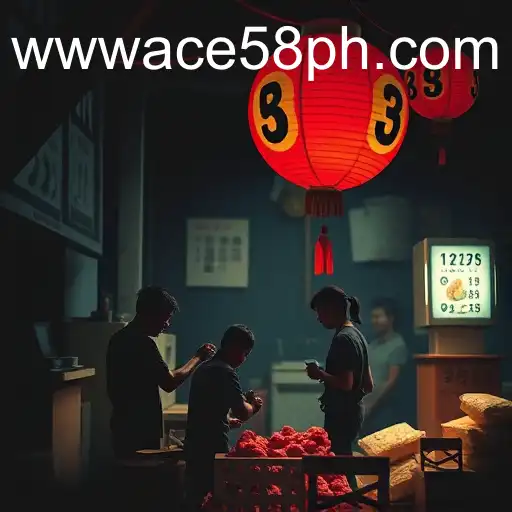
Jueteng and its Cultural Impact in the Philippines
Jueteng is an illegal numbers game that has entrenched itself deeply within the cultural and social fabric of the Philippines. Its roots run so deep that despite numerous crackdowns by the government, it remains prevalent in many communities. The game, with its clandestine charm and mystique, reflects the complex interplay between legality, culture, and survival in Philippine society.
The Origins of Jueteng
Jueteng is believed to have been introduced to the Philippines during the Spanish colonial period. The game itself is a localized adaptation of lotteries that were once popular in Europe and later in China. Over the years, Jueteng has evolved, borrowing from various cultural influences to become what it is today: an informal community fixture.
The Mechanics of the Game
Despite its perceived simplicity, Jueteng is a highly sophisticated operation. The game involves selecting a number combination, typically from 1 to 37. Players place their bets on their chosen numbers, and if their combination is drawn, they win. What makes Jueteng particularly attractive is its accessibility. With minimal barriers to entry, almost anyone can participate, making it a ubiquitous part of daily life in many areas.
The Role of the Cabos and Cobradores
The game is facilitated by key figures known as the "cabo" and the "cobrador." Cabos are the coordinators who manage the operations, ensure financial flows, and liaise with protection networks, while the cobradores are those who collect bets from players. This organized structure allows Jueteng to thrive despite its illegal status.
The Socio-Economic Influence
Jueteng's persistence can largely be attributed to its socio-economic implications. In areas where poverty and unemployment are rampant, Jueteng serves as a parallel economy. It provides employment opportunities not only to the cabos and cobradores but also to others indirectly involved in the operation. Furthermore, the potential for life-changing wins offers participants hope and a sense of possibility, however precarious.
The Economic Spinoff
The localized economic effect of Jueteng also reverberates through small businesses and vendors. The discretionary income derived from winnings often gets circulated within communities, providing a small but significant economic boost to areas overlooked by formal economic structures.
Cultural Significance and Resilience
Beyond its economic impact, Jueteng holds substantial cultural significance. It is ensconced in daily conversation, folklore, and even politics. The inherent thrill of the game, combined with elements of mystery and chance, makes it an inextricable aspect of Filipino tradition and oral history.
The Political Landscape
Politically, Jueteng has long been a contentious issue. Its existence and widespread acceptance often intersect with local and national politics. Some politicians rely on Jueteng networks for support during elections, creating a symbiotic relationship that further entrenches its presence in society.
Evolving Legal and Ethical Perspectives
Jueteng straddles the fine line between legal and illegal activity, sparking ongoing debates about its ethical and moral implications. Efforts to legalize and regulate the industry have been proposed but face opposition stemming from concerns about exacerbating social inequalities and legitimizing a vice that preys on the vulnerable.
Addressing the Challenges
Tackling the issue of Jueteng requires a nuanced approach. Any proposed solutions must consider not only the legal aspects but also the socio-economic factors that fuel its persistence. Comprehensive reform initiatives focused on economic development, employment opportunities, and transparency in governance could gradually reduce the reliance on such informal practices.
Conclusion
While Jueteng remains a contentious issue, understanding its complexities and deep-seated presence in the Philippines reveals how it operates as more than just a game. It is a cultural artifact that reflects broader social dynamics, embodying both the challenges and resilience of Philippine society. Efforts to address Jueteng must be multifaceted and sensitive to the broader contexts from which it has emerged and continues to persist.